Individual Therapy Intensives
There is no greater agony than bearing an untold story inside you”
-Maya Angelou

Why an Intensive?
Think Quality Over Quantity.
One Focused Day Can Do What Months of Weekly Sessions Cannot
Weekly therapy can be incredibly helpful. But for a lot of people, it can also feel frustratingly short.
You spend part of the session transitioning out of your day and trying to settle in. By the time you finally get to the thing you actually need to talk about, the hour is almost over. Then you leave, go back to work, parenting, responsibilities, and try to hold everything together until the next session.
For some people, that pace works well. For others, it can feel like stopping and starting over every single week.
An individual intensive gives you the space to stay with the work instead of constantly interrupting it.
With a few uninterrupted hours, there’s time to move beyond the surface conversation and into the patterns, emotions, memories, and nervous system responses underneath it. There’s also time to process what comes up before you have to step back into real life.
People often describe intensives as the difference between talking about something and actually working through it.

You don't need more coping strategies.
You need fewer things to cope with.

Who is this for?
Intensives at Grounded Growth Counseling are for people who are functioning on the outside, but know something deeper still needs attention.
Many of the people we work with are thoughtful, capable, and self-aware. They’ve often done therapy before, read the books, listened to the podcasts, and understand why they feel the way they do. But insight alone hasn’t fully changed the patterns.
An intensive may be a good fit if:
You feel disconnected from yourself and want to find your way back
You keep reacting in ways that don’t feel aligned with who you actually are
You’ve been through something painful and still feel stuck in it
You grew up with a parent who was emotionally unavailable, inconsistent, immature, or absent, and you still feel the impact of that in your adult relationships and nervous system
You’re tired of circling the same issues without feeling real movement
You want focused, meaningful work rather than years of staying at the surface
Your schedule makes weekly therapy difficult, but you can commit to a more concentrated process
You’re in the middle of a major life transition, relationship shift, loss, or season of questioning where something needs to change
Real change doesn't announce itself. It just quietly becomes the new normal
So, what are we doing?
What a typical one-day intensive looks like.
We usually start simply: getting settled, grabbing coffee or tea, taking a breath, and easing into the space together. Before we go anywhere deep, we spend time understanding what’s bringing you here, what feels stuck, and what you hope will feel different on the other side of the intensive.
That beginning matters more than people realize. When your nervous system feels safe enough to settle, the work can go deeper without feeling forced.
From there, we start exploring the patterns underneath the surface. Using an IFS-informed approach, we pay attention to the different parts of you that developed for good reasons — the protective parts that learned how to keep you functioning, the younger parts still carrying pain, and the steadier, more grounded part of you underneath all of it. The goal isn’t to analyze yourself from a distance. It’s to experience yourself differently while you’re in the room.
As trust and momentum build, we may bring in Brainspotting or EMDR to help process experiences that feel emotionally or physically “stuck.” A lot of people have talked about their pain for years without actually feeling it shift. These approaches help access the places where trauma, stress, and old experiences are still being held — not just intellectually, but in the body and nervous system too.
We pause for lunch and rest during the day, and that’s intentional. People often underestimate how much integration happens in those quieter moments. Your brain and body need space to absorb what’s unfolding rather than pushing straight through it.
The second half of the intensive often feels different than the first. By then, there’s usually more trust, less guarding, and more room for honesty. This is often where people begin connecting dots they couldn’t fully see before, or where something that has felt rigid for years starts to loosen.
Most people leave feeling tired in a good way. They feel clearer, lighter, more connected to themselves, and with a genuine sense that something meaningful shifted.
Pricing & Scheduling
Sessions are offered at $225 per hour. This rate reflects the depth of the work, the preparation involved, and the dedicated time set aside to support meaningful, lasting change.
When insurance is involved, I’ll work collaboratively with you to explore coverage and practical options for care.
Intensives are customized to fit your goals, readiness, and schedule.
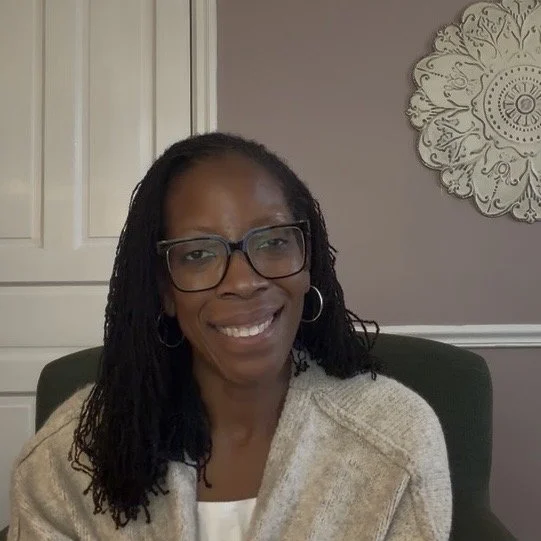
Me & My Approach
The work I do with individuals is about more than managing symptoms or getting through the week. It’s about understanding yourself more fully. It’s about understanding where your patterns come from, what helped you survive, and what begins to change when old pain is no longer quietly running your life.
My approach blends IFS (Internal Family Systems), Brainspotting, and EMDR. Each one offers something different, and together they allow us to work with both insight and deeper nervous system healing.
IFS helps make sense of the different parts of you — the parts that protect, shut down, overfunction, avoid, people-please, or stay on guard for good reason. Instead of judging those parts, we get curious about them and the roles they’ve had to carry.
Brainspotting and EMDR help us move beyond talking about experiences intellectually and into actually processing them. A lot of trauma and emotional pain lives beneath conscious thought, stored in the body and nervous system long after the experience is over. These approaches can help loosen what has felt emotionally stuck for a long time.
What I often see in intensives isn’t just symptom relief, though that matters too. I see people reconnect with parts of themselves they haven’t felt in years , clarity, steadiness, confidence, self-trust, softness, hope.
I also believe deeply that healing work should feel collaborative, grounded, and emotionally safe. We move at a pace that respects your nervous system, not one that overwhelms it. You won’t be pushed to go somewhere you’re not ready to go.
This is your process. My role is to help guide it with care, honesty, and attunement.
— Leana Sykes, M.Ed, LPC, ACS
Your Questions, Answered
-
Weekly therapy is valuable, but its 50-minute structure limits how deeply the work can go in any given session. An intensive removes that ceiling, giving your nervous system the sustained, uninterrupted time it needs to actually reorganize. Less starting and stopping. More depth. Faster, lasting results.
-
Not necessarily, though most clients who seek intensives have had some prior therapy experience. If you're new to therapy, a consultation will help us determine whether an intensive is the right starting point for you.
-
Some insurers do cover intensive therapy. We'll work with you to explore your coverage and options before scheduling.
-
Yes. Virtual intensives are available throughout New Jersey, Pennsylvania, and Delaware for clients who prefer or require remote care.
-
Every intensive concludes with an integration session and a clear forward-looking plan. Many clients continue with periodic individual sessions or return for follow-up intensives. You won't leave without a sense of what's next.
-
The best way to find out is through a free consultation. We'll talk about what's brought you here, what you're hoping to change, and whether an intensive is the right fit for where you are right now.
You Don't Have to Keep Waiting to Feel Different.
The gap between understanding your patterns and actually feeling free of them isn't permanent. It's a nervous system waiting for the right conditions , sustained time, genuine attunement, and work that reaches deeper than insight.
That's what an individual therapy intensive is built for.